

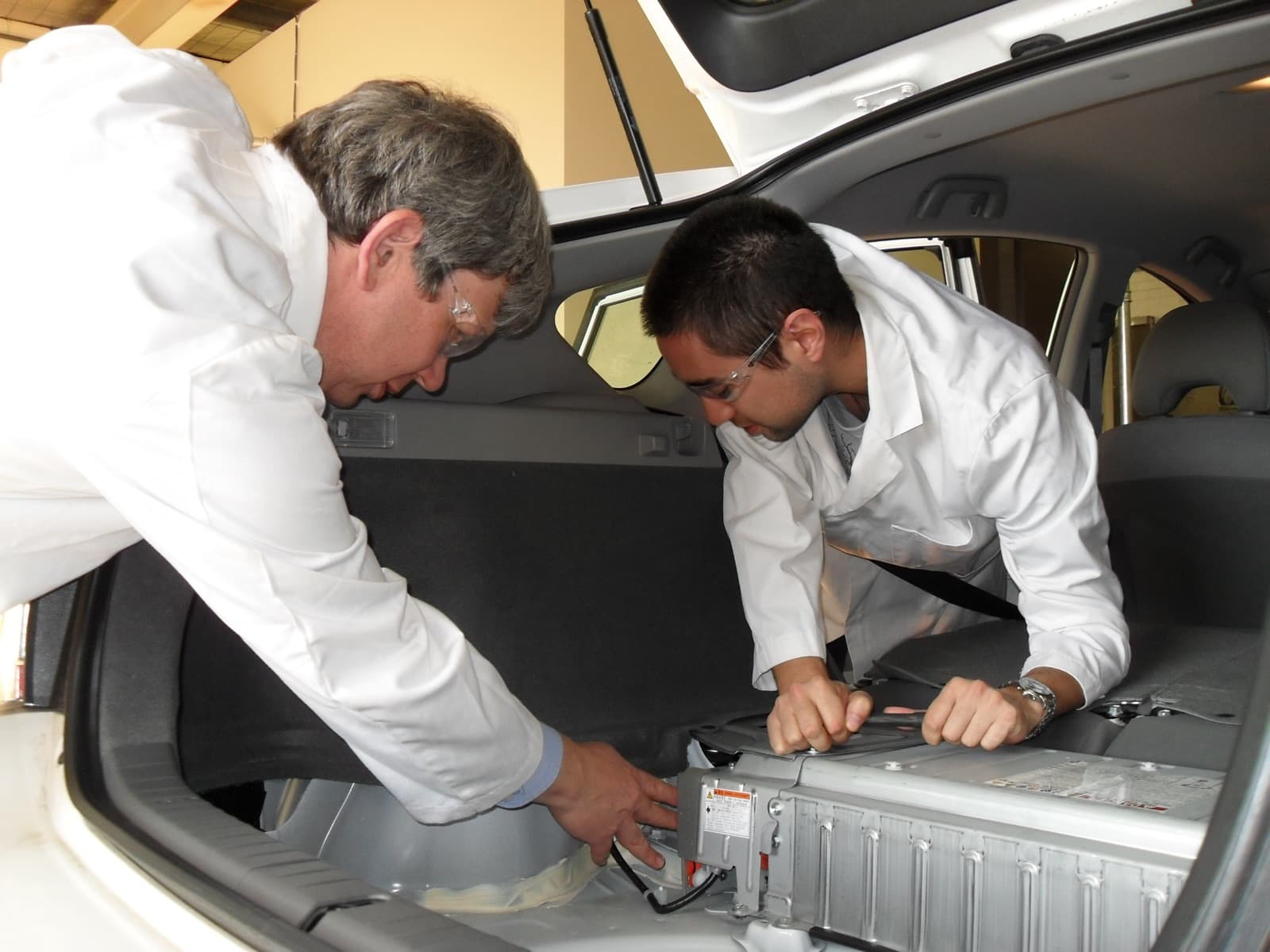
What to do with surplus and end-of-life lithium-ion batteries
If you're holding batteries you no longer need, you have more options than "recycle it" or "let it sit." Most surplus and end-of-life lithium-ion stock has real value. The difference between a good outcome and a bad one is mostly about choosing the right route early.
This is the overview. Each section links to a deeper guide.
First, know what you have
Before deciding anything, get a clear picture of the inventory: chemistry, format, condition, volume and where it sits. That one step decides most of what follows. A batch of clean LFP modules and a pallet of damaged mixed cells are completely different problems.
The options, in rough order of value
Resell for reuse. Batteries fit for a second life are almost always worth most when they're reused. A pack builder, integrator or second-life operator pays for working capacity. This is where you want most stock to land.
Repurpose. Some batteries don't fit their original use but work well in a different one, like retired EV modules going into stationary storage. Repurposing keeps value that recycling would destroy.
Recycle. When reuse isn't viable, recycling recovers the materials. For NMC that means real metal value. For LFP it's closer to a disposal cost. Recycling is the floor, not the target.
Dispose. True disposal is the last resort, and for most lithium-ion it isn't even legal to landfill. Damaged or unsafe stock still has to go through the right channels.
Choosing between reuse and recycling is its own decision: sell, reuse or recycle.
Get the compliance right
Moving used batteries is regulated. Cross-border sales fall under the EU Waste Shipment Regulation and the Basel Convention, with EPR and economic-operator duties on top, and everything ships as dangerous goods under ADR, IATA and UN38.3. None of it is impossible. It has to be done in the right order, with the right paperwork. Background: what EPR means for second-life batteries.
Then sell it properly
Once you know the route, the sale itself is the work: finding the right buyer, agreeing terms, and moving the goods. The full process is here: how to sell surplus or used lithium-ion batteries. If the stock is stuck or distressed, stranded batteries and what to do with them covers that case.
For what any of it is actually worth, see the factors that drive value.
How Cling helps
You don't have to work out the route on your own. You describe the inventory, and we assess it, tell you the realistic options, and run whichever one makes sense: assess, transact, move, settle. Compliance and logistics are handled as part of the deal.
Got batteries to deal with?
Tell us what you have and we'll map the best route for it.
Hero image: CSIRO, CC BY 3.0, via Wikimedia Commons.