

When a battery storage system is decommissioned, almost every question is about the cells. State of health, chemistry, how many megawatt-hours, where they go next.
The cells are only half of what is standing in the container.
The other half is the power conversion layer. The inverters and DC/DC converters that move energy between the battery stack and the grid. It is expensive hardware, built to run for years, and swapping out a site does not stop it working. It gets pulled, palletised, and forgotten.
We have started listing it. This is the first lot.
What came off the system
16 Danfoss VACON NXP DC/DC converter modules. Frame 09, model NXI02055, running ADFIF101 DC/DC firmware on the NXP platform. They were pulled as a single lot from an operational grid-scale storage installation.
The specs:
- 205 A rated continuous current
- 110 kW rated output
- 465 to 800 Vdc input range
- Air-cooled
- Modbus/TCP communication
Condition is used. They came out of a working system, not a scrapyard, so every unit can be inspected and bench-tested before it ships.
The VACON NXP is the same platform that sits behind a large share of grid-scale storage, configured as a DC/DC converter here or as a grid-tie inverter elsewhere. If your sites already run Danfoss, that is sixteen tested spares off the shelf.
Why power electronics are worth reusing
Cells degrade with use. That is why a second-life market exists for them at all, and why every buyer opens with a question about state of health.
Power electronics do not fail the same way. A converter that has run inside a climate-controlled BESS enclosure has lived in about the best conditions industrial hardware can ask for. It still ages, capacitors and fans wear, but there is no guessing about it. You test the unit and you know what you have. That is a very different risk profile from a used cell.
New grid-scale power modules carry lead times that run into months and a price to match. A known-good unit that can ship now is worth real money to an integrator holding spares or expanding a system on the same platform. Standardising on VACON NXP is what turns a used unit into a drop-in rather than a redesign.
Shredding it to recover a little copper and aluminium, while the next buyer pays full price for the new equivalent, is the opposite of circular.
Cling handles these transactions too
We built Cling to keep working batteries out of the shredder. The same logic covers everything else that comes off a decommissioned system: inverters, converters, and the balance-of-system hardware around them.
If you are decommissioning a BESS, that equipment is worth listing alongside the cells. We run the whole transaction on a structured contract, with a defined inspection window and a claims process if the equipment does not match spec.
If you are building or maintaining a system and a tested VACON NXP module solves your problem, these sixteen are available now.
Reach William at william@clingsystems.com or WhatsApp +46 76 327 33 43.
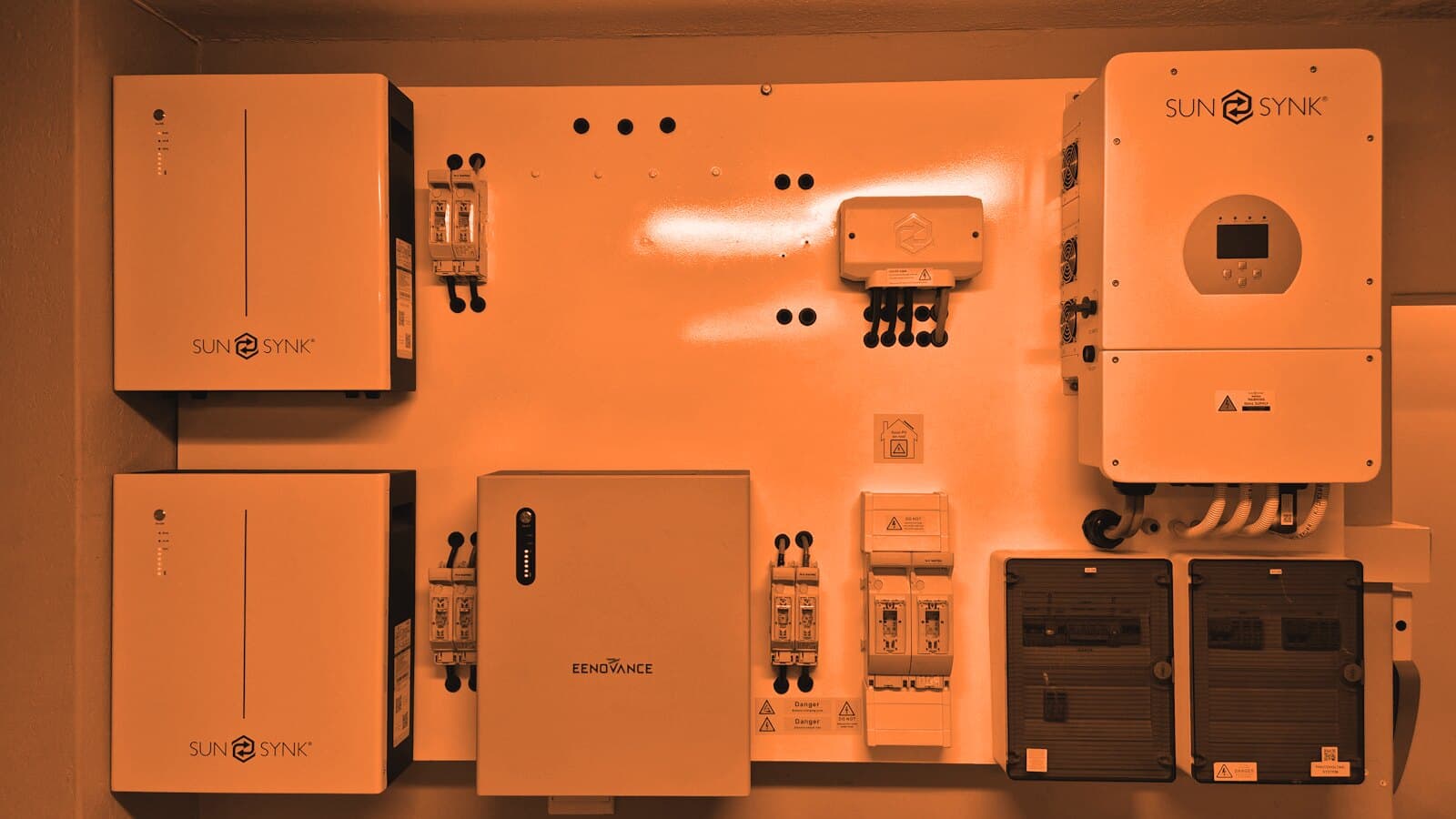
Hero image: Sergio Martins via Unsplash, treated in Cling brand colours.